Seminaria - FAIR

Skip banner

Seminars in the academic year 2025/2026

Abstract

Particle Physics and Gravitational Waves as complementary windows on the Universe

Particle physics and gravitational waves provide complementary probes of the deep structure of the Universe. Gravitational waves from the mergers of neutron stars and black holes are sensitive to the structure of dense quark matter (GSI/FAIR related physics) and to different dark matter scenarios. Measurements of stochastic gravitational waves backgrounds can teach us about possible first order phase transitions in the early Universe, including providing sensitivity to the TeV scale which is of key interest to future particle collider experiments. Gravitational waves measurements will also give new probes of the evolution and expansion of the Universe, complementary to measurements with electromagnetic radiation. This seminar explores the physics synergies between the science opportunities provided by next generation gravitational waves measurements and particle physics experiments in the next decade and beyond when GSI/FAIR, HL-LHC, LISA and the Einstein telescope will be running timewise in parallel.

For extra details, see the Perspectives article by Steven D. Bass, Laura Baudis, Gianfranco Bertone, Oliver Buchmueller, Babette Döbrich, Reinhard Genzel, Anne M. Green, Klaus Helbing, Michèle Heurs, Karl Jakobs, Markus Klute, Samaya Nissanke, Hiranya Peiris, Albino Perego, Stefan Pokorski, Matthias Schott, Stefano Vitale, Georg Weiglein, Jochen Weller
Seminars in the academic year 2024/2025

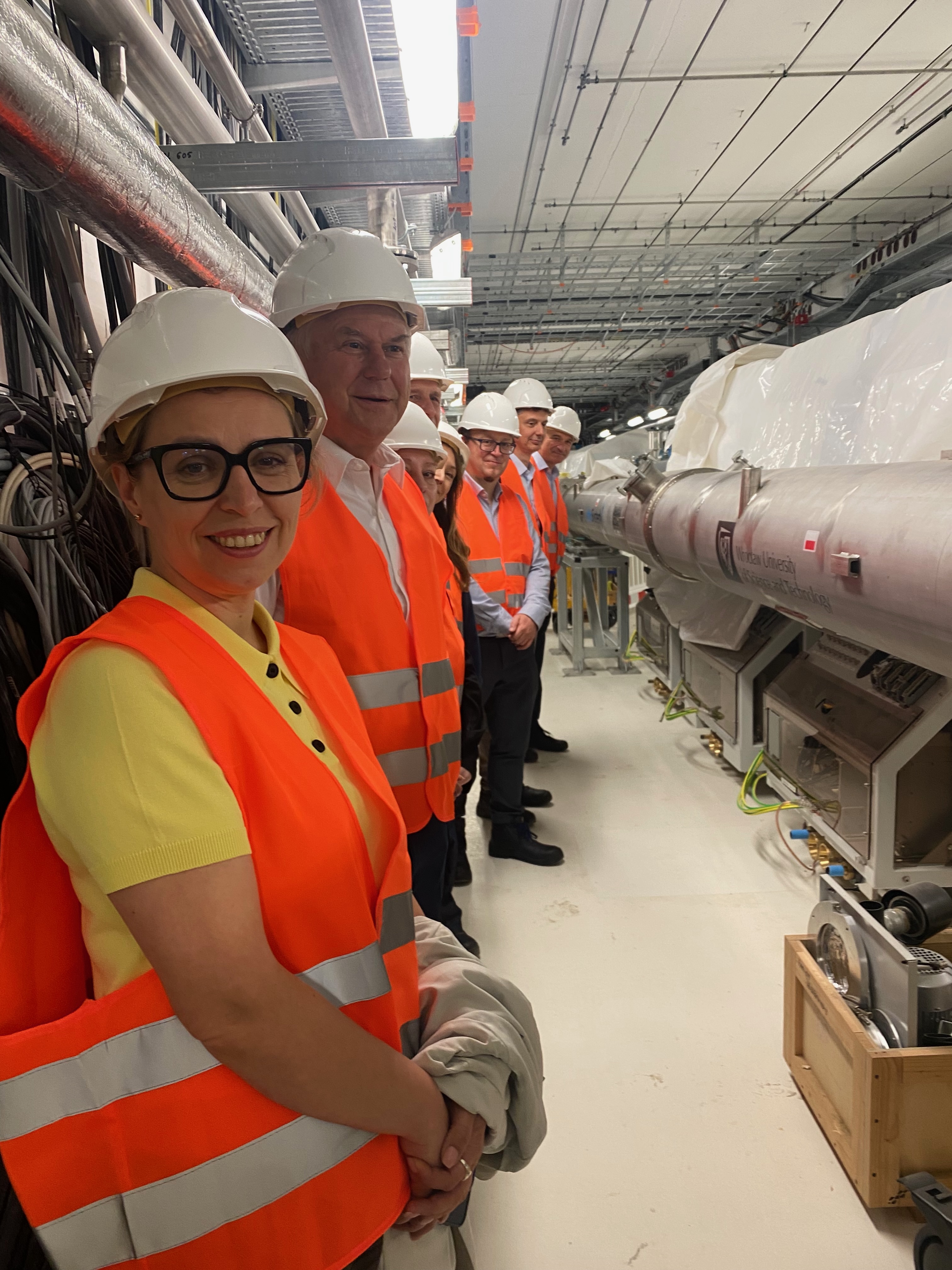
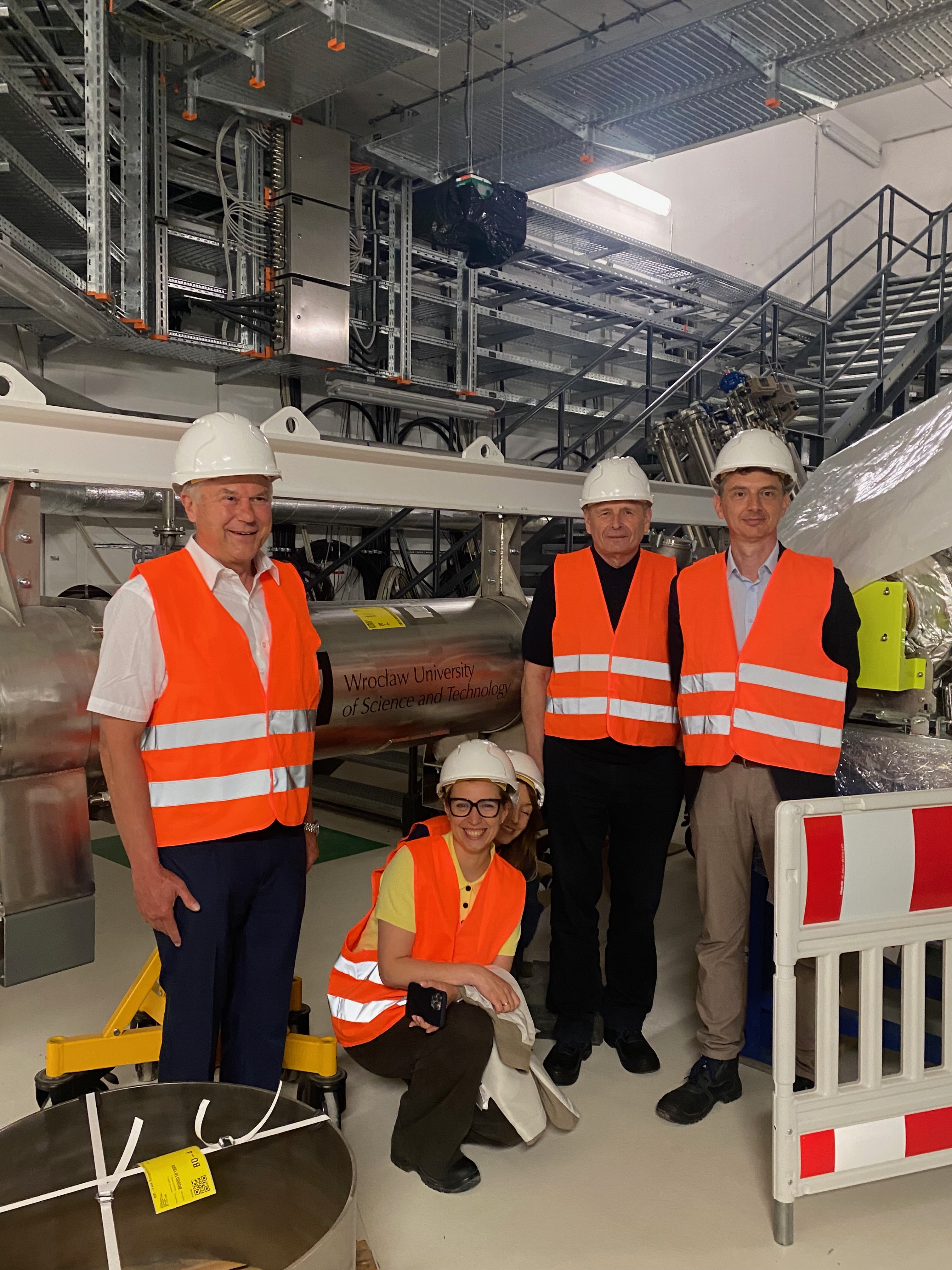
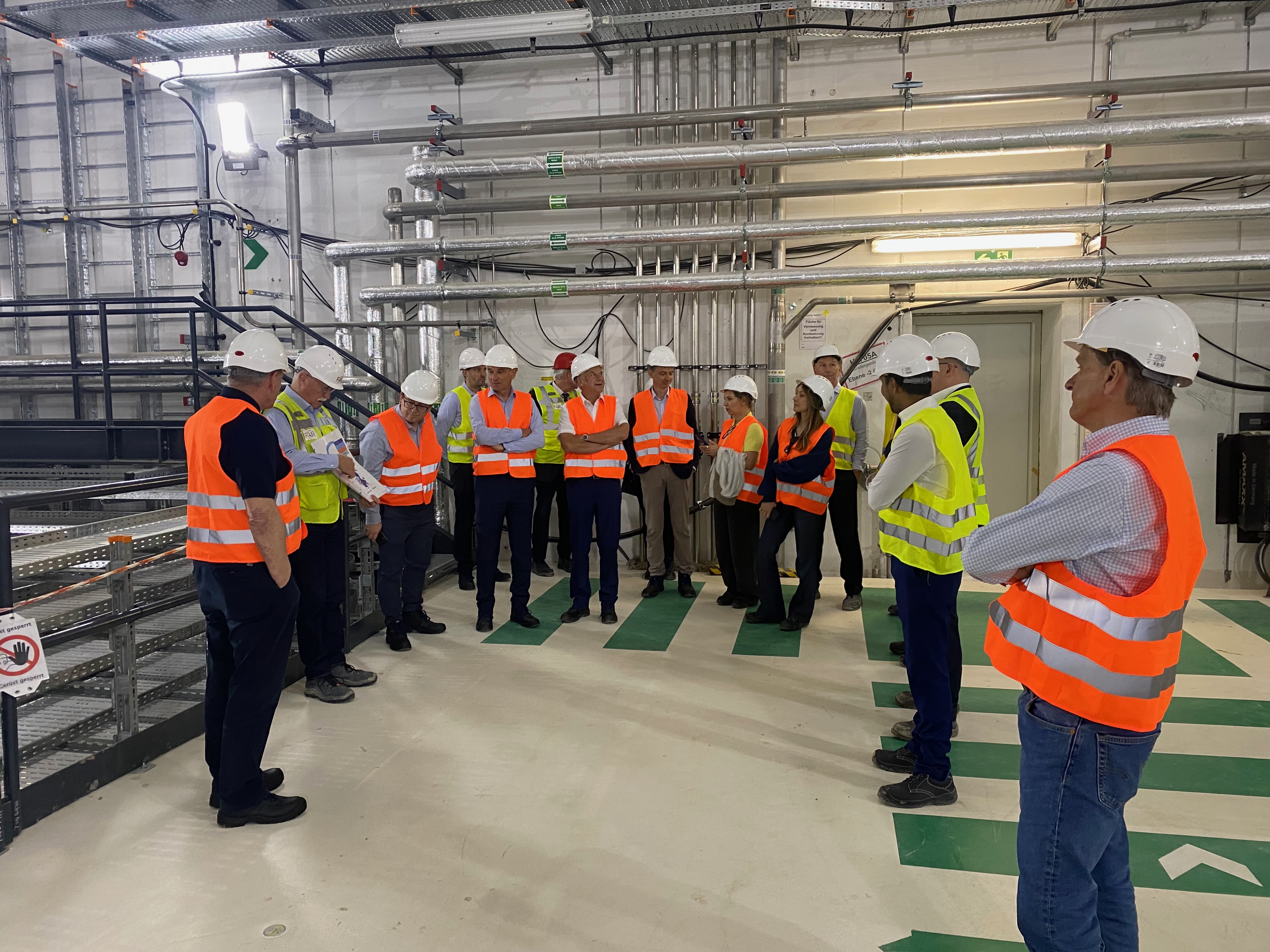
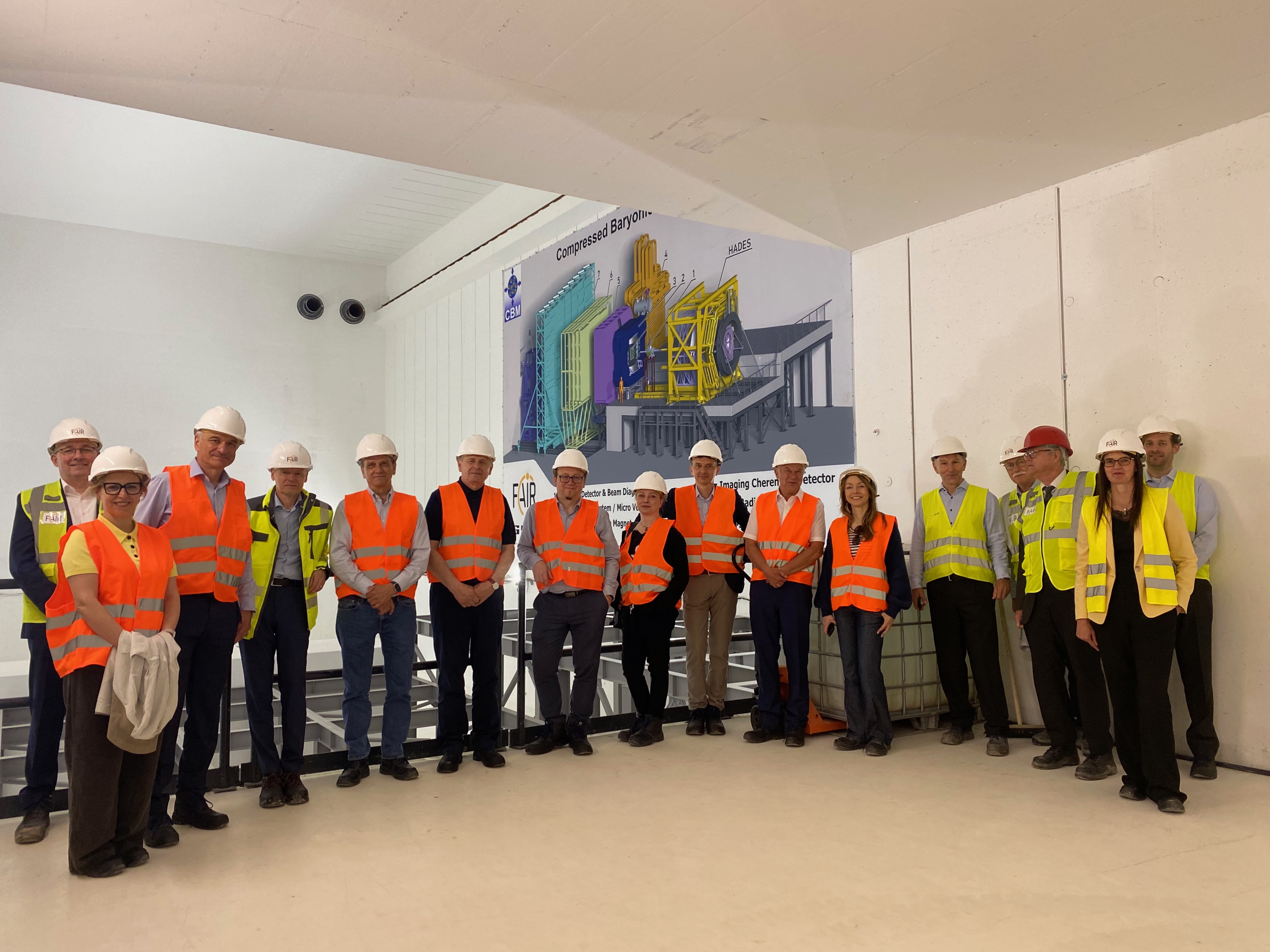
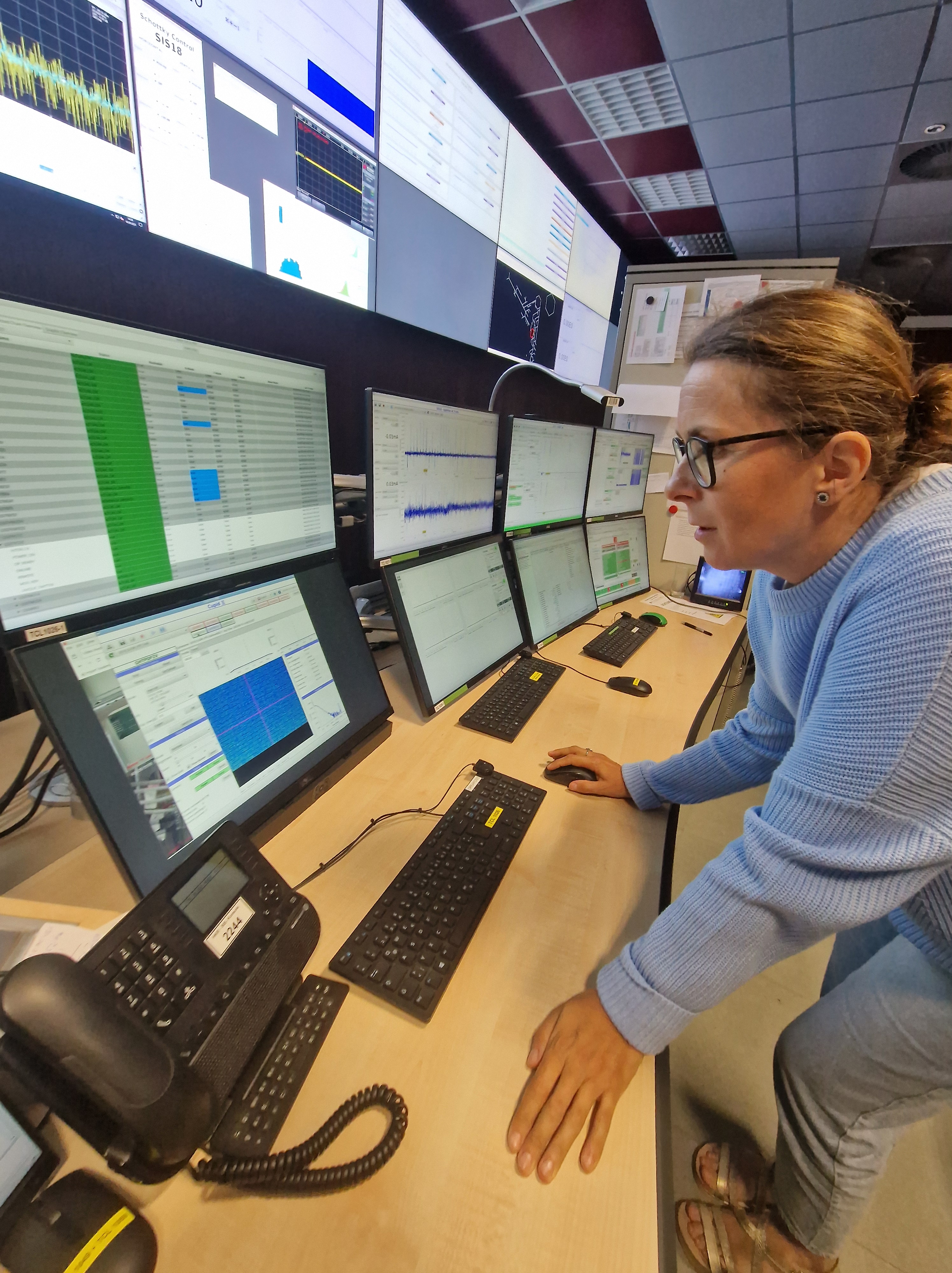
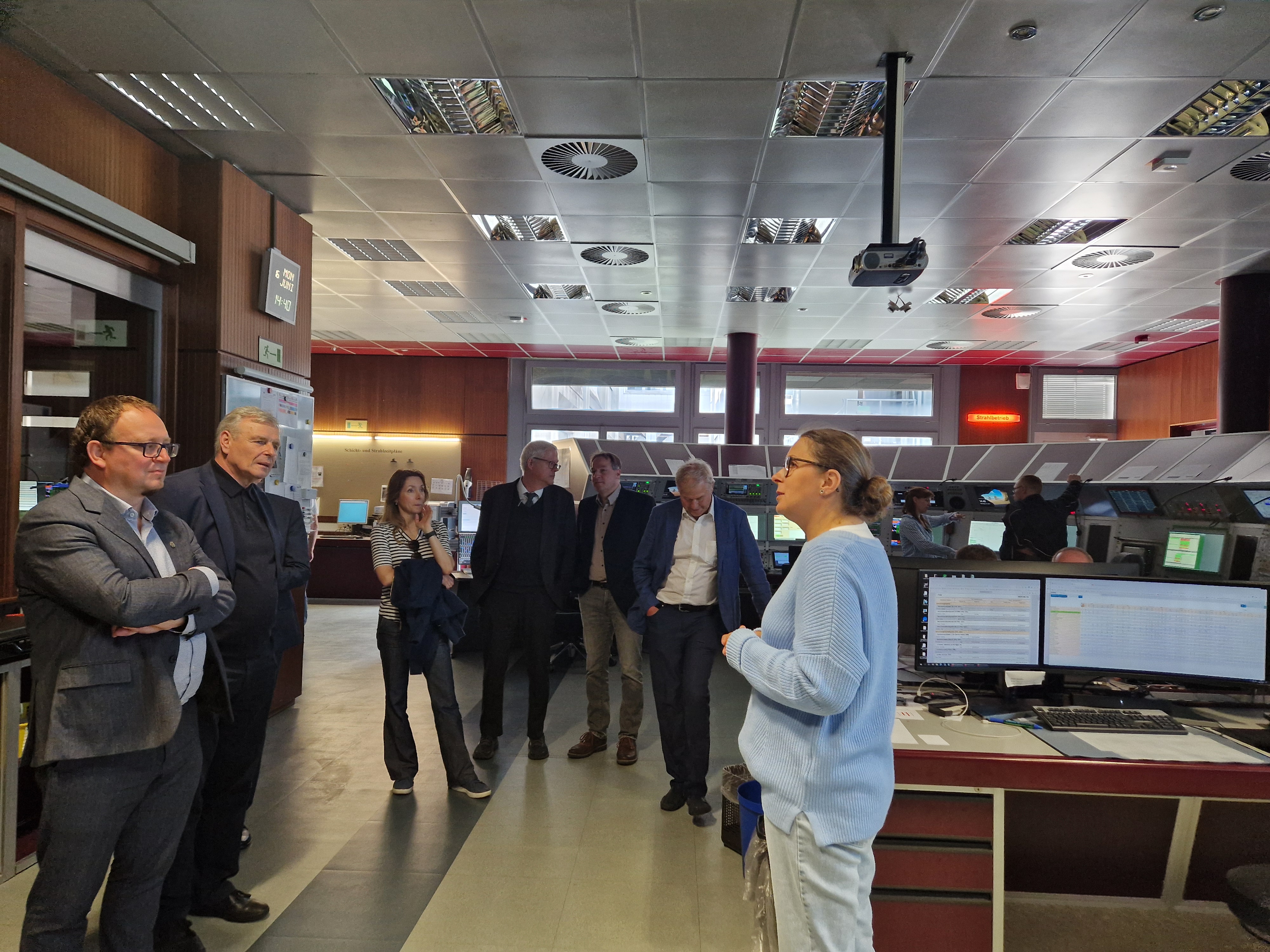
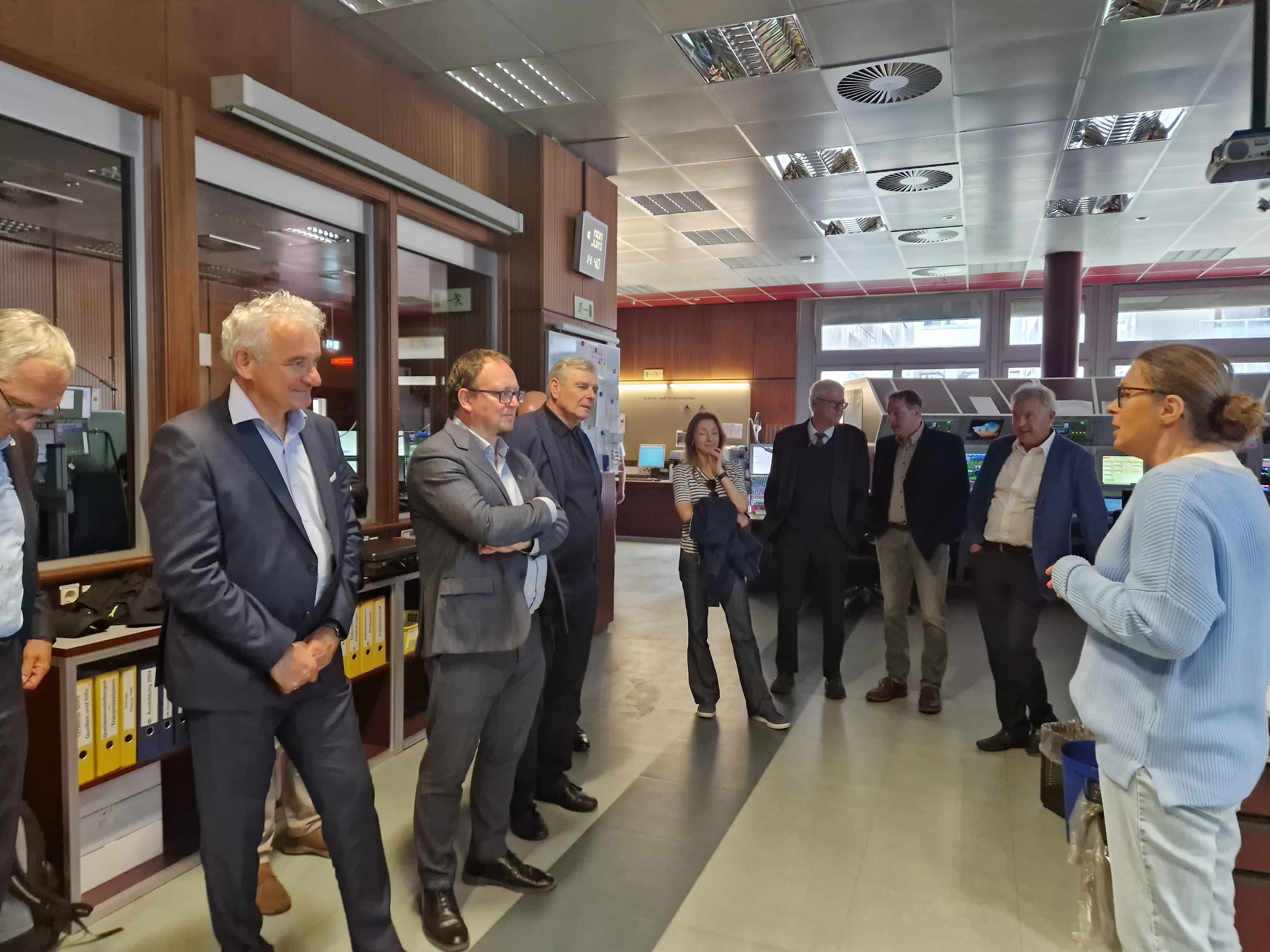
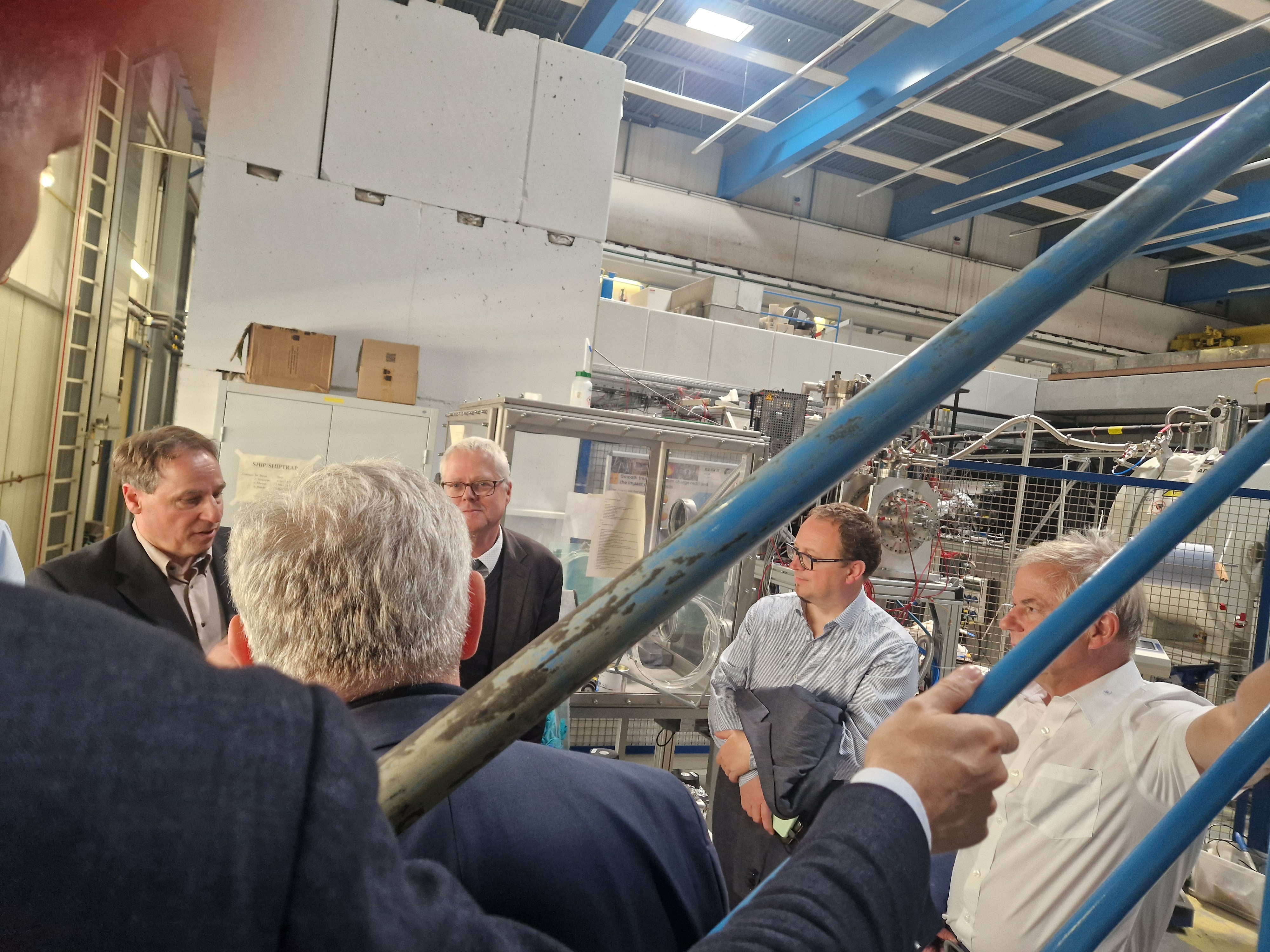
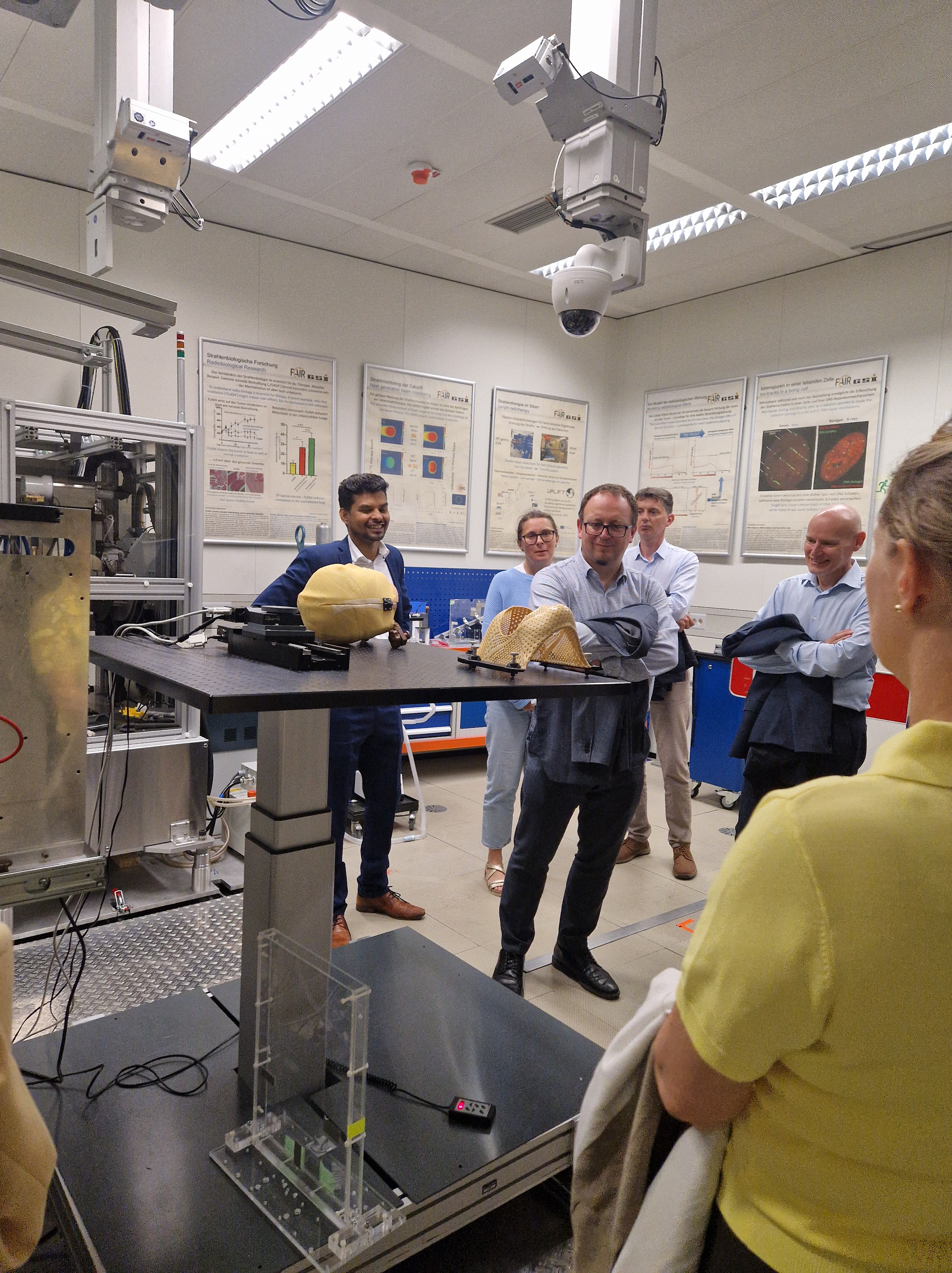
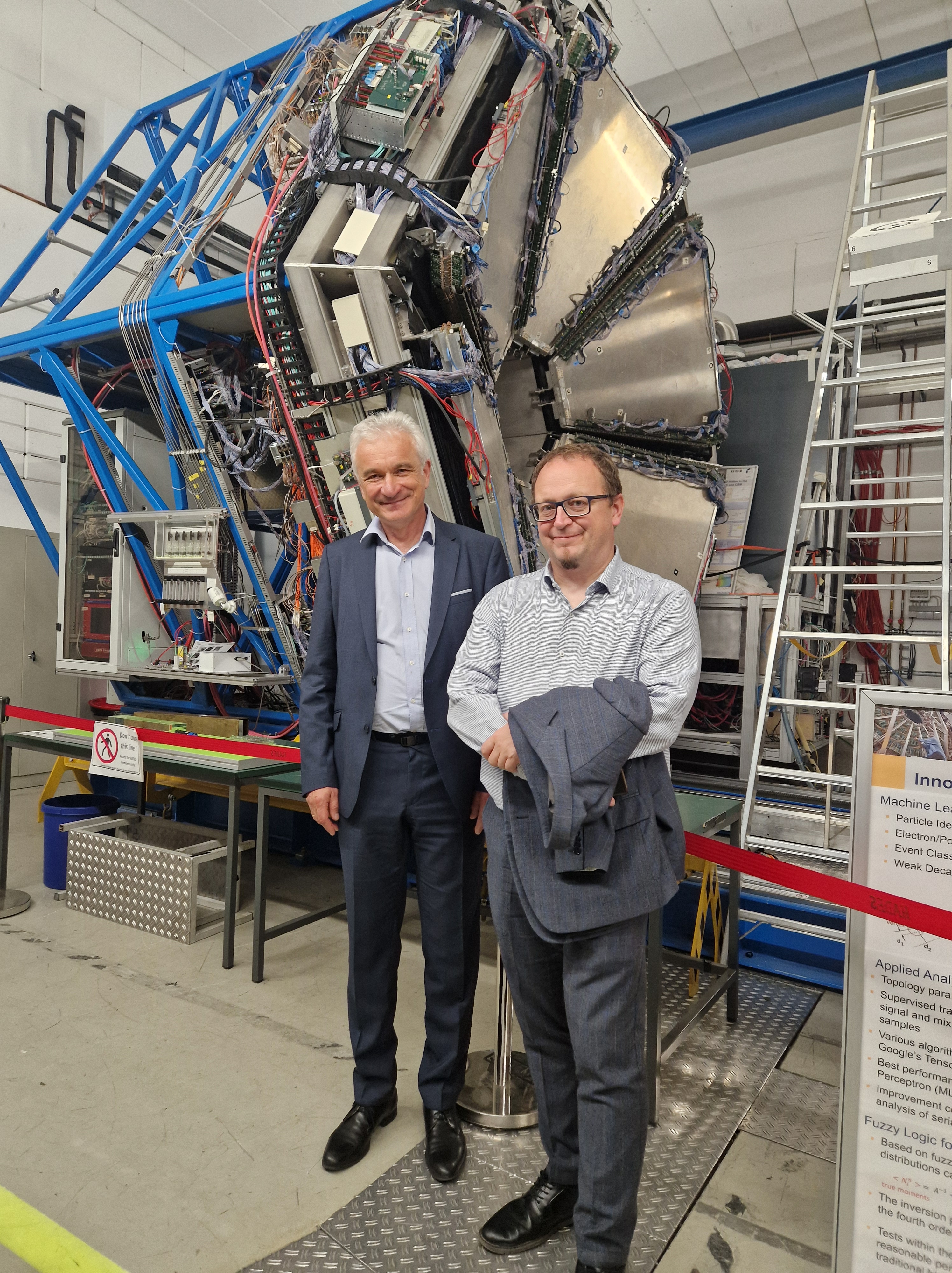
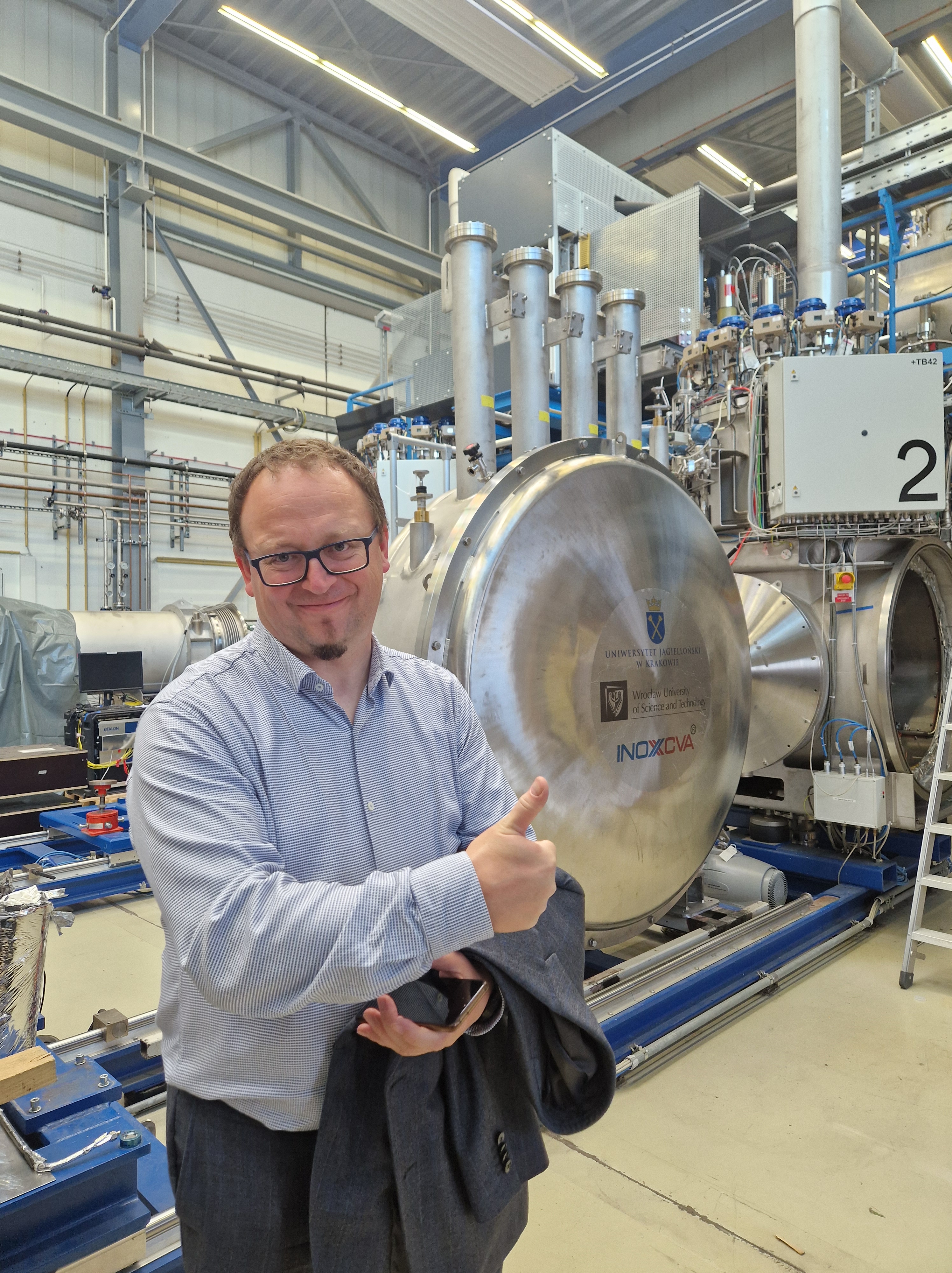
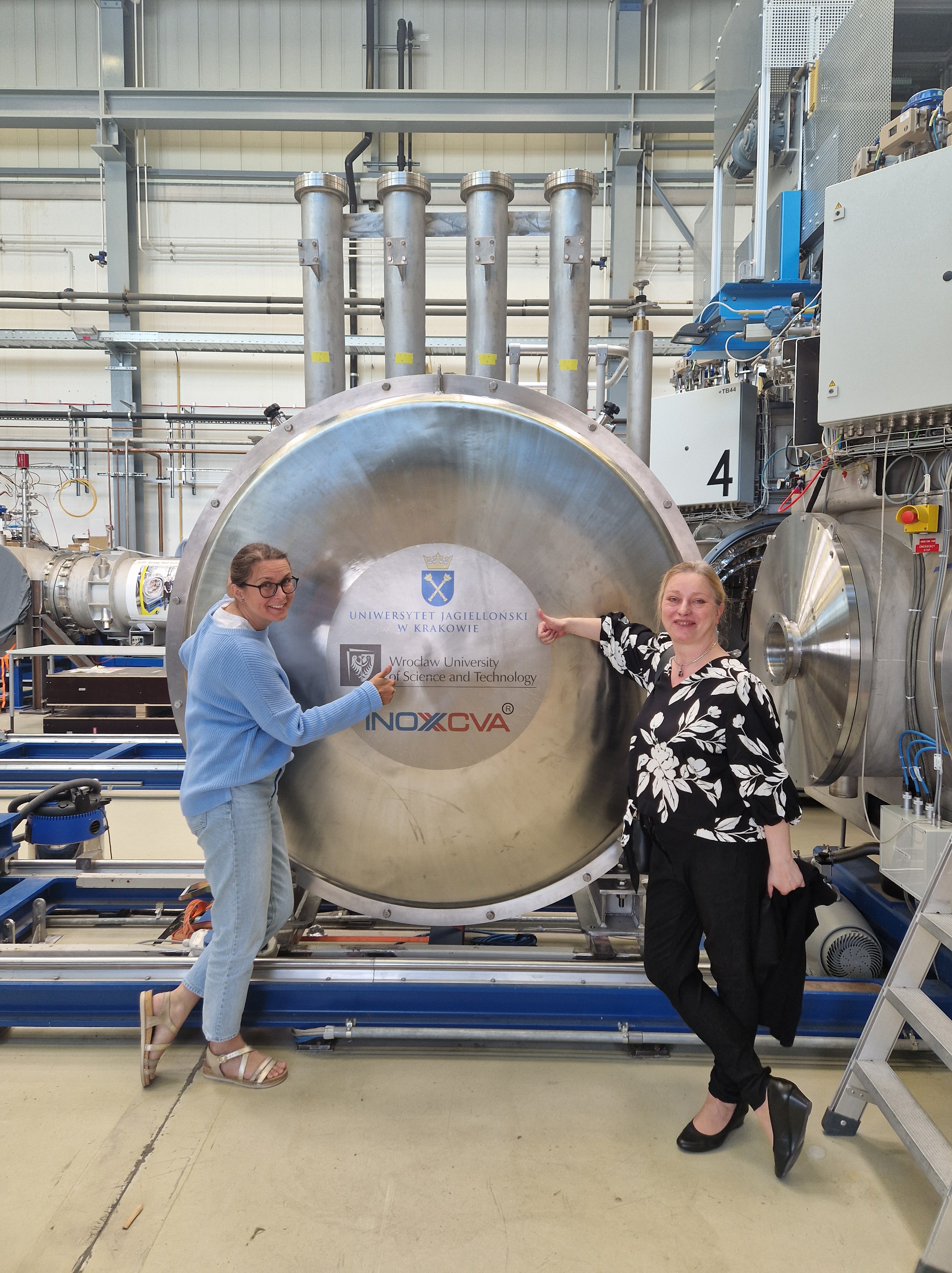
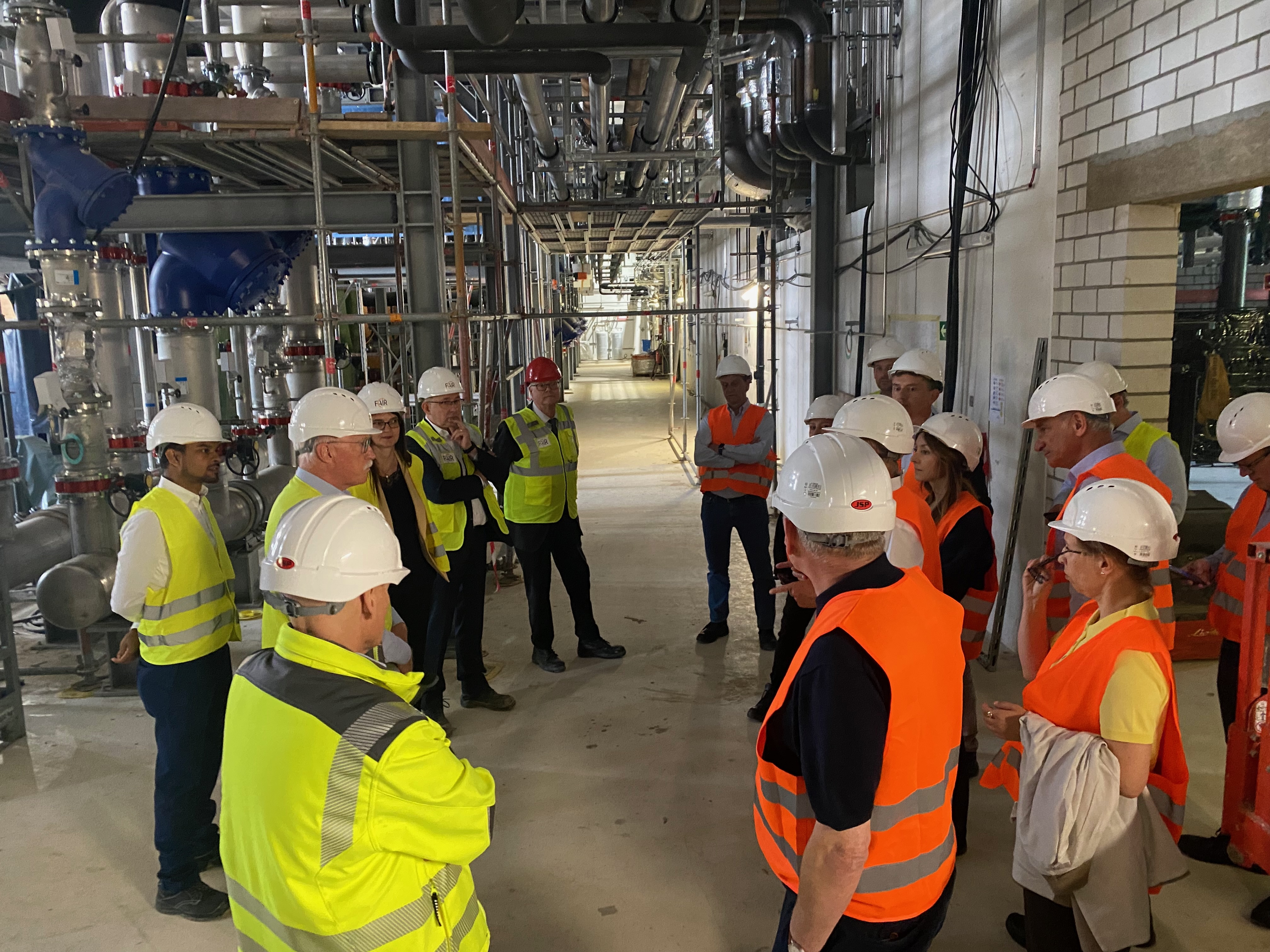
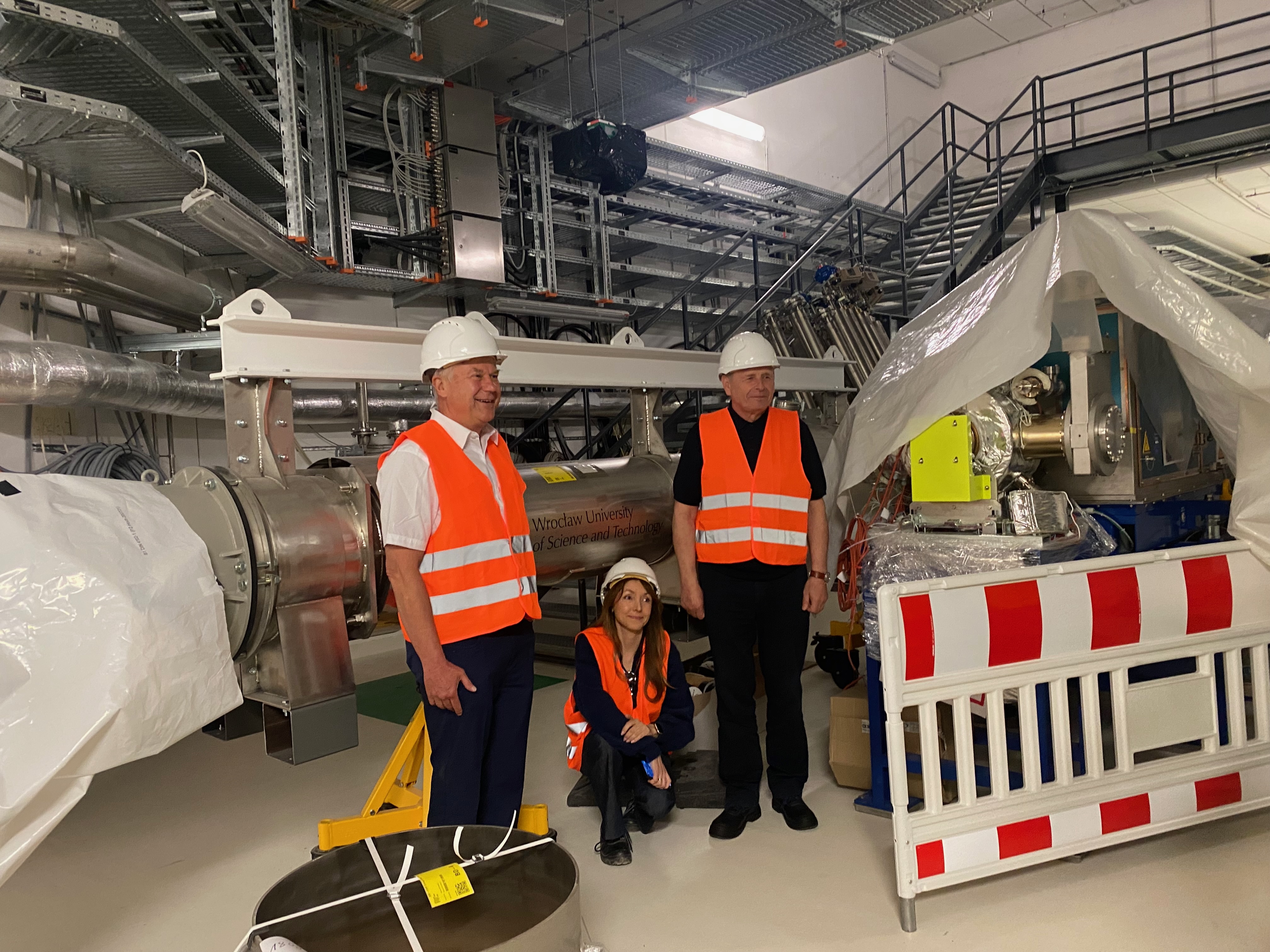
On June 15-16, a visit to the Fair of the delegation consisting of the following representatives was held

  1. Wrocław University of Science and Technology:
    • Prof. Dariusz Łydżba – Vice-Rector for Science and Innovation,
    • Prof. Renata Krzyżyńska – Vice-Rector for Cooperation with the Environment,
    • Prof. Piotr Szulc – Dean of the Faculty of Mechanics and Energy,
    • Katarzyna Pasik-Król – Director of the Business and Innovation Center,
    • Prof. M. Chorowski – leader of the WUST group working at FAIR, FAIR Council Advisor.
  2. Jagiellonian University:
  • Prof. Wojciech Macyk – Vice-Rector for Research,
  • Alicja Nowakowska – chair of AFC,
  • Prof. Piotr Salabura – chair of Shareholder Council.


A short session took place during the visit, in which the presentations delivered:

  • Prof. Thomas Nilsson – Scientific director of GSI/FAIR,
  • Joerg Blaurock – Technical director of FAIR,
  • Prof. Piotr Salabura.

Welcome to the international research center GSI and FAIR - Visit from Jagiellonian University and Wroclaw University 16.06.2025.

Poland @ FAIR.


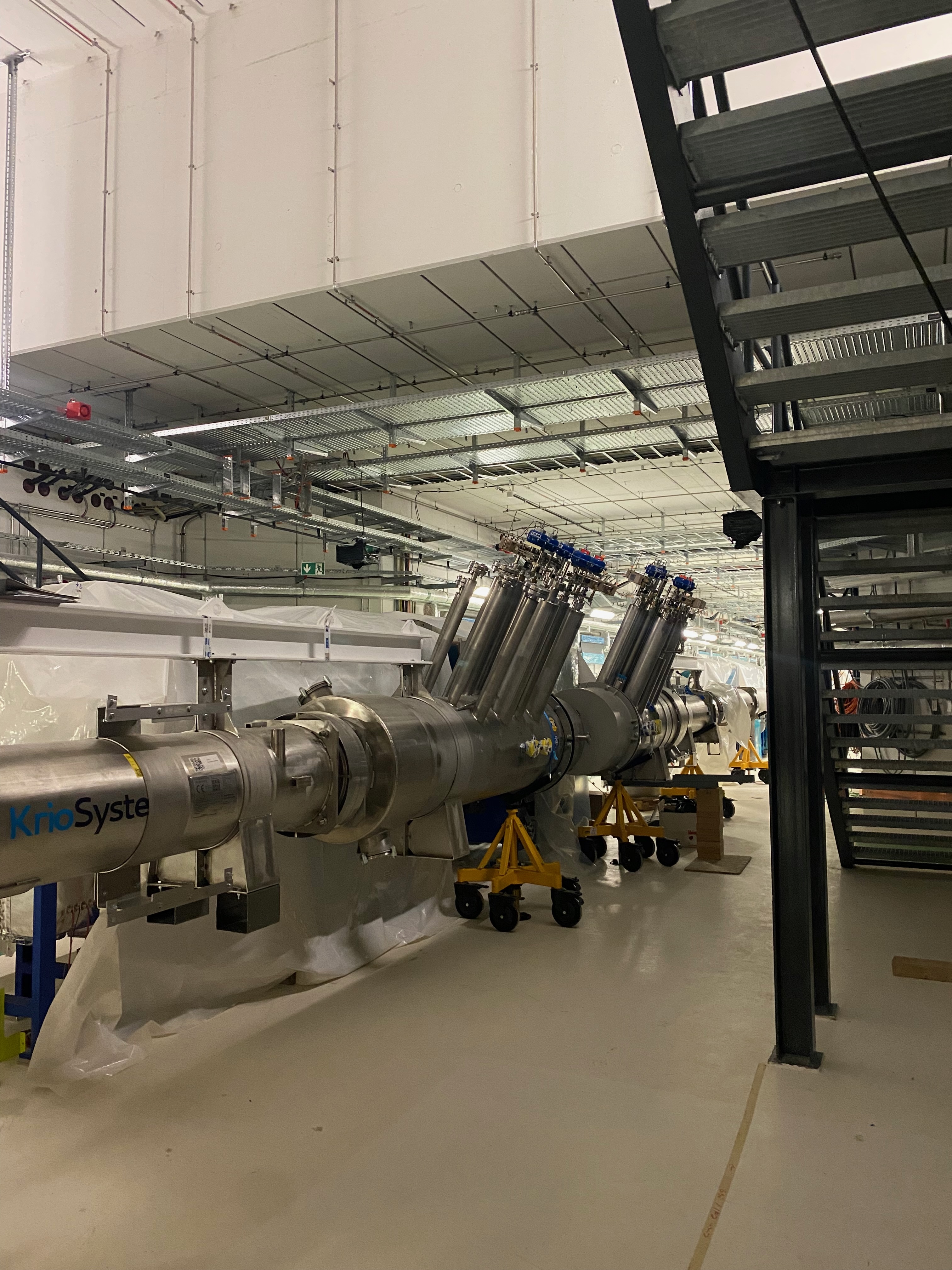
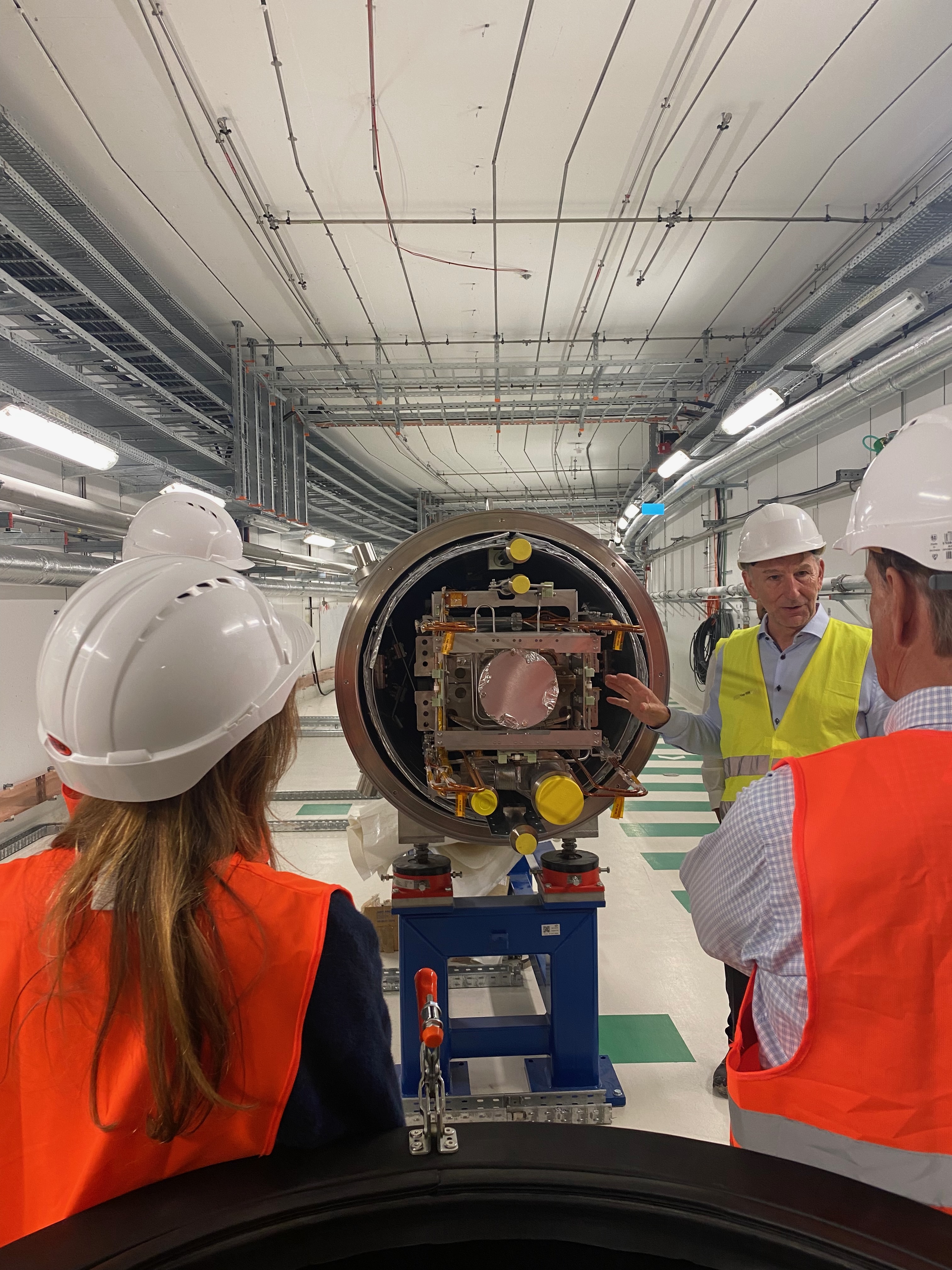
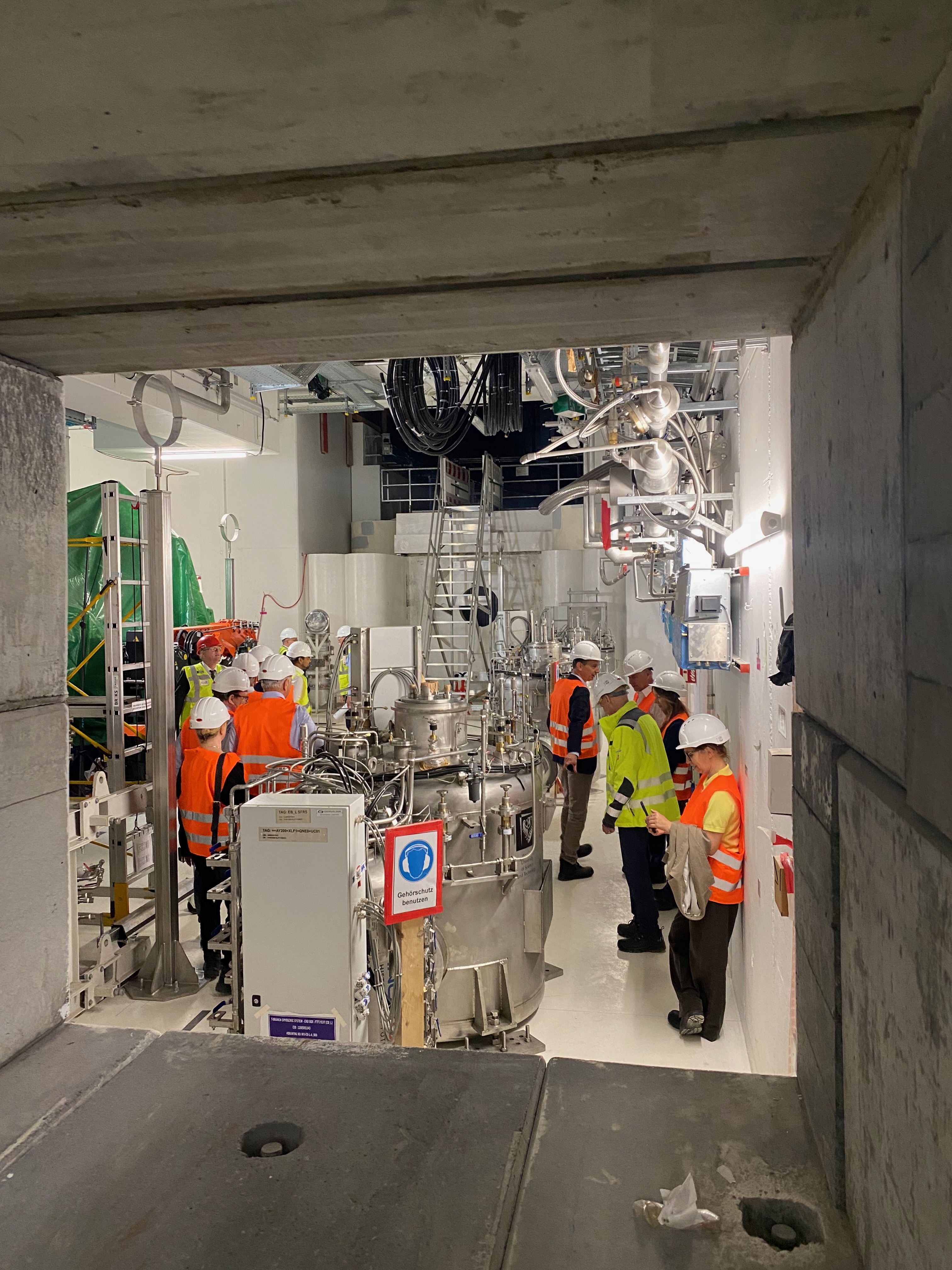
Then the delegations visited the Fair Center and became acquainted with the state of implementation.


Abstracts

FAIR in the NuPECC Long Range Plan 2024 for European Nuclear Physics - prof. Marek Lewitowicz (pdf)

The Facility for Antiproton and Ion Research (FAIR), currently under construction in Darmstadt, Germany, is a major international accelerator facility designed to advance research in nuclear physics and related fields. The Nuclear Physics European Collaboration Committee (NuPECC) has recognised the importance of FAIR in its Long Range Plan 2024 (LRP2024) for European Nuclear Physics. The LRP2024, officially presented in November 2024, outlines strategic directions for nuclear physics in Europe. While the full document provides comprehensive details, the Executive Summary highlights key recommendations and findings. It emphasises the necessity of completing and fully exploiting major research infrastructures, including FAIR, to maintain Europe's leading position in nuclear physics research. The LRP2024 underscores the importance of FAIR in providing unique experimental opportunities that are essential for addressing fundamental questions in nuclear physics. The facility's completion and subsequent operation are deemed critical for the European nuclear physics community's future endeavours.

In the talk, the FAIR facility will be presented on a landscape of international nuclear physics infrastructures. The focus will be on the primary anticipated contributions that FAIR will make to European research.


FAIR - challenges and opportunities for polish science and technology - prof. Piotr Salabura (pdf)

FAIR - Facility for Antiproton and Ion Research - is one of the largest accelerator driven research facilities in Europe with an ambitious multidisciplinary scientific program. It offers many world-leading research opportunities, emphasized in the recent Long Range Plan of Nuclear Physics of NuPECC (see talk of M. Lewitowicz). Construction of the FAIR facility is now in full swing with the completion of the first step, First Science, scheduled by the end of 2028.

Poland is one of the shareholders and takes active role in construction of the FAIR realizing several in-kind contributions into infrastructure and experiments. In the presentation status of the FAIR project, realization and role of the polish-in kind contributions and preparation of experiments will be discussed.

Seminars in the academic year 2023/2024

Abstract:

The only way to study the properties of asymmetric nuclear matter at high densities in the laboratory conditions is to investigate the relativistic heavy ion collisions. A complementary source of information are the astrophysical observations and gravitational waves. The degree of compression and pressures achieved during the heavy ion collision depend on the susceptibility of the nuclear matter to compression, and hence on its equation of state. In particular, the measured angular and energy distributions of the neutrons and protons, light isobars and the π−and π+emitted form the interaction zone depend on the symmetry energy and its gradients at the attained densities. The role of the symmetry energy and its current constraints will be reviewed. Perspectives for future investigations at GSI within the R3B collaboration will be outlined.

Symmetry Energy at High densities from Heavy Ion Collisions - ASY-EOS II experiment using KRAB detector and the R3B infrastructure - Dr. hab. Jerzy Łukasik (pdf)

Abstract:

Projectile fragmentation is one of the two general methods used for the production and study of nuclei far from stability. It has a few important advantages over the alternative ISOL method, like the possibility to identify in-flight individual ions and the speed of delivering them to detection setups. These features allow us to investigate very rare decay modes and very short lifetimes. At the heart of the FAIR facility, there will be a state-of-the-art fragment separator: the Super-FRS. Installed at the SIS-100 synchrotron, it will offer much better research conditions than the existing FRS separator at the SIS-18. After a short presentation of the fragmentation technique and an overview of the existing and planned separators, I will describe two general types of experiments of interest to our group at the University of Warsaw. The first aims at the study of decays of ions at rest, like measurements of two-proton radioactivity. The second is directed to the in-flight decays of very short-lived nuclei, produced in reactions of a radioactive beam in a secondary target. I will give a few examples of such studies performed at the existing GSI facility which can be continued in the future, profiting from the advantages of the Super-FRS.

Decay studies of exotic nuclei at the Super-FRS: plans and dreams of the Warsaw group - Prof. Marek Pfützner (pdf)

Abstract:

The current stage of the FAIR project is showing readiness for the first machine component installation in the tunnel. The trial installation should start on spring 2024 and the IFJ PAN team together with FAIR teams will perform it for selected components. During the last two years a significant preparation work has been done by the IFJ PAN team within collaboration agreement, namely String SIS100 trail installation as well as short Multiplets preassembly work. All of this work allowed to verify the installation process and to create the first procedures required for trial installation with respect to the quality of planned work as well as safety aspect. In addition this work for machine with cutting-edge and innovative technology require high qualified personnel with relevant experience which was provided by IFJ PAN. This presentation will show the IFJ PAN team competences and the quality understanding in this kind of the work as well as details of potential additional in-kind contribution to FAIR from Poland.

The in-kind experience gained by IFJ PAN and its implementation into the FAIR project during two years collaboration - Dr. hab. Dariusz Bocian and Jacek Świerblewski (pdf)

Abstract:

The accelerator infrastructure available at the FAIR facility offers new possibilities to study atomic structure and fundamental processes with unprecedented precision. In particular, the radiative recombination (RR) of bare and few-electron heavy ions with cooling electrons gives access to measure precisely the energies of emitted X-rays, down to ppm range. A research program and design of a high-resolution diffraction spectrometer for low-energy X-ray spectroscopy in the electron cooler of the CRYRING@ESR storage ring being built within the SPARC collaboration will be described and discussed here. Due to a linear shape of the X-ray source, resulting from the radiative recombination in overlapping ion with electron beams in the electron cooler, the spectrometer will work in an asymmetric von Hamos (AvH) geometry. Moreover, in order to eliminate the Doppler effect, two AvH spectrometers will be installed next to the dipole magnets on both sides of the electron cooler to detect blue/red (00/1800) shifted RR X-rays. The performed X-ray-tracing Monte-Carlo simulations show that the AvH spectrometer will allow to measure, with a high energy resolution down to 100 meV, the low-energy X-rays
(5-10 keV) from radiative recombination of stored bare or few-electron heavy ions interacting with cooling electrons. It means that the energies of the X-ray transitions, as extracted from the recorded line profiles, can be measured with very high relative precision down to 10-6, which gives new access to precision study of the quantum electrodynamics (QED) effects for mid-Z H- and He-like ions, including two-loop effects.

A high-resolution asymmetric von Hamos spectrometer for low-energy X-ray spectroscopy at the CRYRING@ESR electron cooler - prof. Marek Pajek (pdf)

Seminars in the academic year 2022/2023

Abstract:

The Compressed Baryonic Matter (CBM) experiment is one of the major scientific pillars of the Facility for Antiproton and Ion Research (FAIR), which is expected to become operational in 2028-29. The goal of CBM is to explore the QCD phase diagram in the region of high baryon densities using nucleus-nucleus collisions in the energy range sqrt(s_NN) = 2.9 - 4.9 GeV. CBM will be utilizing peak interaction rates of up to 10 MHz and an advanced triggerless data acquisition scheme, giving access to rare physics probes not studied before. This contribution will give an overview of the CBM physics goals among which the equation-of-state of dense nuclear matter, the possible phase transition from hadronic to partonic phase, and chiral symmetry restoration play a major role. The CBM physics performance in terms of (multi-) strange particle production, dilepton spectroscopy, collective flow will be discussed with a focus on sensitivity to criticality and first order phase transitions. Plans to extend the physics program to proton induced reactions are presented as well. In addition, the status of the comprising detector sub-systems will be described. This includes their performance in FAIR Phase-0 experiments, especially in the currently operated demonstrator mCBM at SIS18.


The CBM experiment at FAIR: Prospects and Status - Prof. Norbert Herrmann (pdf)

Abstract:

The new international accelerator Facility for Antiproton and Ion Research (FAIR) which is currently under construction in Darmstadt offers a wide range of exciting new opportunities in the field of atomic physics and related fields [1]. The proposed facility will provide highest intensities of relativistic beams of both stable and unstable heavy nuclei, in any desired charge-state, in combination with the strongest electromagnetic fields generated by high power lasers. Moreover, heaviest highly-charged ions produced at relativistic velocities can be decelerated (down to rest) at dedicated facilities (CRYRING and HITRAP) and become available for high precision experiments in low-energy storage rings and traps. The world-wide unique experimental conditions and opportunities offered by the future FAIR facility will be combined with cutting-edge detection techniques for x-rays, electrons, ions, etc. All these will allow to extend atomic physics research into new and unexplored domains.

In this presentation, I will give an overview of the program of the Stored Particle Atomic physics Research Collaboration (SPARC) at FAIR [2]. Particular emphasis will be given to precision experiments with highly-charged heavy ions devoted to stringent tests of quantum electrodynamics (QED) in extreme electromagnetic fields, the use of atomic physics techniques for the accurate determination of properties of stable and unstable nuclei, astrophysical processes with exotic ions/nuclei, influence of atomic configurations on nuclear decay modes and proposals for realizing nuclear clocks.

References:

[1] http://www.fair-center.eu

[2] http://www.gsi.de/sparc


Atomic physics in extreme fields at GSI/FAIR: precision experiments with highly-charged heavy ions - Dr. Alexandre Gumberidze (pdf)

Abstract:

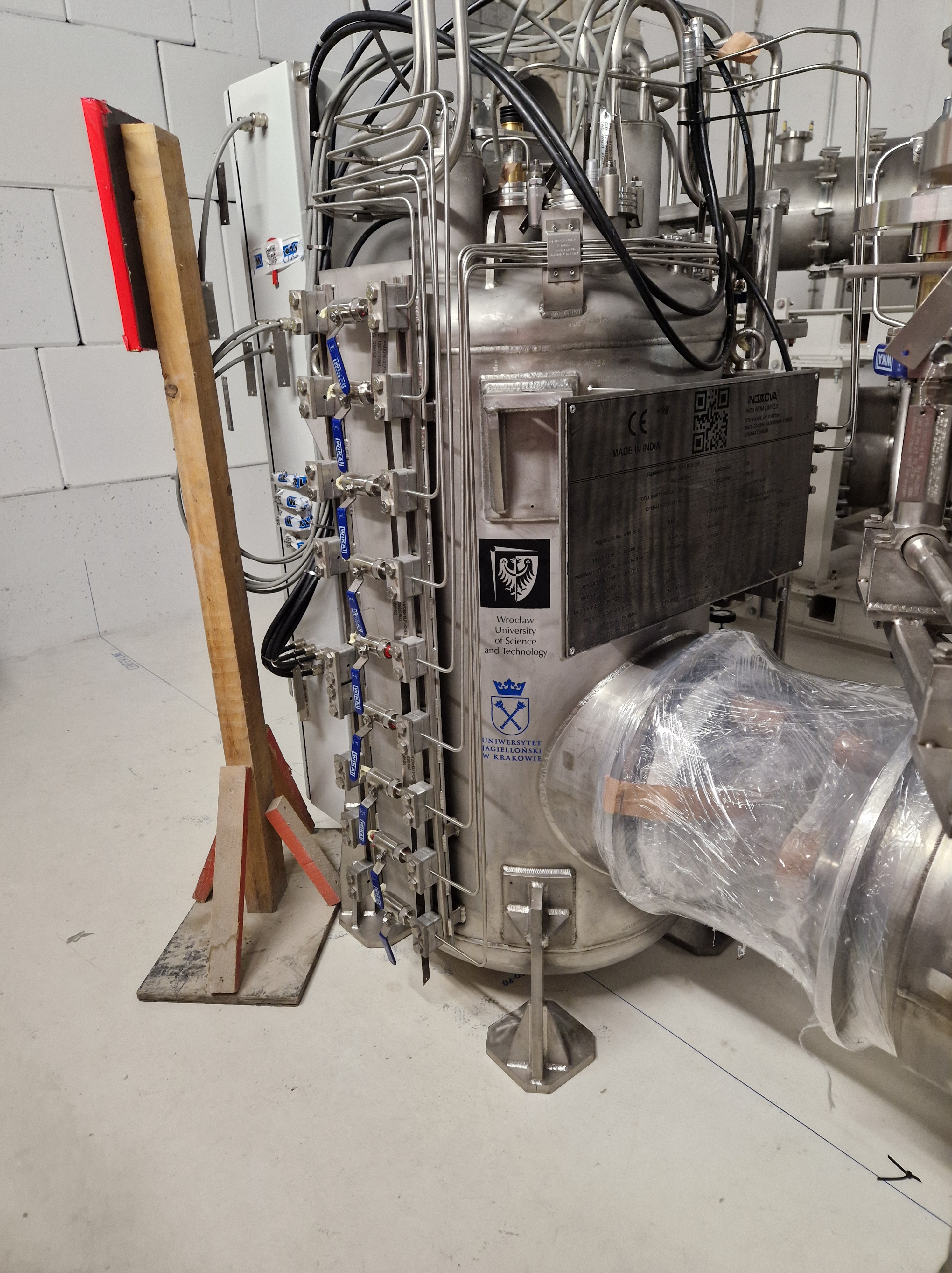
Superconductivity and cryogenics are key technologies in Big Science frontier research machines. Helium inventory may exceed several tens of tons, mostly in high density liquid or supercritical phase. FAIR accelerator complex will make extensive use of cold helium in different thermodynamic states. The helium has to be supplied from a cryoplant to cryomodules via a very complex cryogenic distribution system. A special challenge in FAIR cryogenics is a simultaneous supply of liquid helium and high current in a single vacuum insulated, sectorized transfer line. We will present the role of cryogenics in FAIR accelerators and discuss the specific features of SIS100 and SFRS local cryogenic distribution systems, requiring development of novel solutions. The design options will be presented as well as the process of the technology transfer to industry, prototyping and production industrialization.

Development, design and construction of cryogenic distribution systems for FAIR accelerators - prof. Maciej Chorowski i dr hab. Jarosław Poliński (pdf)

Abstract:

HISPEC/DESPEC project at FAIR follows a comprehensive nuclear structure program and explores gamma-ray spectroscopy as a main experimental tool. FAIR accelerator complex and FRS/SUPER-FRS in-flight facilities deliver radioactive beams of heavy ions in a final focal plane where the various experimental setups can be located. The HISPEC/DESPEC collaboration scrutinizes the optimal detection setup for a given physics goal, e.g. burning questions of shell evolution in the astrophysical context of r-process waiting points. In particular, the DESPEC-Phase0 experimental project at GSI and FAIR has already started. The objective is to investigate different modes of decay in exotic and heavy nuclei with spectroscopic means. High-resolution gamma-ray spectroscopy measurement can be combined with a precise time measurement of the emitted gamma rays to determine decay schemes and the lifetime of the intermediate states. The decay neutrons are filtered out by the MONSTER detector. Alternatively, a high-efficiency setup serves for the full beta-decay strength measurement. The associated beta particles, conversion electrons, and heavy ions are registered by DSSSD-array AIDA and scintillator detectors. The above instruments and other experimental detector-setup options will be presented together with the first results of the physics campaigns as well as plans for future experiments.

HISPEC/DESPEC project of NUSTAR/FAIR and first nuclear structure results from FAIR Phase 0 - Dr. Magdalena Górska-Ott (pdf)

Abstract:

The talk is devoted to one of the major experiments of the nuclear structure, astrophysics and reactions (NUSTAR) scientific pillar at the FAIR facility, the so called R3B setup. R3B is a next generation experimental setup for studies of Reactions with Relativistic Radioactive Beams. In my talk I’d like to show you the evolution of the R3B setup and experiments, being initiated and used at GSI, towards a dedicated experiment for various experiments with secondary beams at relativistic velocities for FAIR. Intermediate steps in the commissioning of the novel devices, together with the addressed physics questions, in the frame of Phase-0 beam times will be presented. Prototype studies at the SAMURA setup in RIKEN will also be shown. I`d also discuss the impact and status of the new Super-FRS facility at FAIR with intense SIS-18 and SIS-100 beams and present prospects for associated physics studies.

References:
C. Lehr, F. Wamers et al., Physics Letters B827 (2022) 136957
M. Duer et al., Nature 606 (2022), 678


R3B experiment at FAIR - Dr. Haik Simon (pdf)

Seminars in the academic year 2021/2022

Abstract:

Studies of hypernuclei, subatomic bound systems with at least one hyperon, have been contributing for understanding the fundamental baryonic interactions as well as the nature of dense nuclear matters. In recent years, hypernuclear studies can also be performed by using energetic heavy ion beams, and some of these experiments have revealed unexpected results on three-body hypernuclear states, i.e., shorter lifetime and larger binding energy of the lightest hypernucleus, the hypertriton, than what was formerly determined and the unprecedented bound state with a Lambda hyperon with two neutrons. These results have initiated several ongoing experimental programs all over the world to study these three-body hypernuclear states precisely. We are studying those light hypernuclear states by employing different approaches from the other experiments. We have already employed heavy ion beams on fixed nuclear targets with the WASA detector and the Fragment separator FRS at GSI in Germany for measuring their lifetime precisely. We also analyze the entire volume of the nuclear emulsion irradiated by kaon beams in the J-PARC E07 experiment in order to measure their binding energies at the world best precision. We are using Machine Learning techniques for the both projects. In the seminar, these projects will be discussed on some details, and our perspective with heavy ion beams at FAIR in Germany and with nuclear emulsions will also be discussed.

Reference:
Takehiko R. Saito et al., Nature Reviews Physics volume 3, pages 803-813 (2021).

Abstract

Material science with MeV-GeV heavy ions - Prof. Dr. Christina Trautmann (pdf)

Ion-Track Nanotechnology With High-Energy Heavy Ions - Dr. Eugenia Toimil-Molares (pdf)

Abstract

Ground-based research for radiation protection in space travel - Prof. Dr. Marco Durante (pdf)

Abstract

The future of heavy ion therapy - Prof. Dr. Marco Durante (pdf)

Abstract

From Atomic Nuclei to Stars: Exploring the Extremes with NUSTAR at FAIR - dr Wolfram Korten (pdf)

Abstract

SPARC at FAIR: Quantum Dynamics in Extreme Electromagnetic Fields - Prof. Dr. Thomas Stoehlker (pdf, mp4)

The FAIR Project - dr Jörg Blaurock (pdf, mp4)

FAIR the Universe in the Lab - prof. Paolo Giubelino (pdf, mp4)